How to Cope With Losing a Pet: Why It Hurts and What Helps
A daily companion, a routine and a love that asked nothing of you. How to cope with losing a pet when the house is too quiet, and the guilt after.


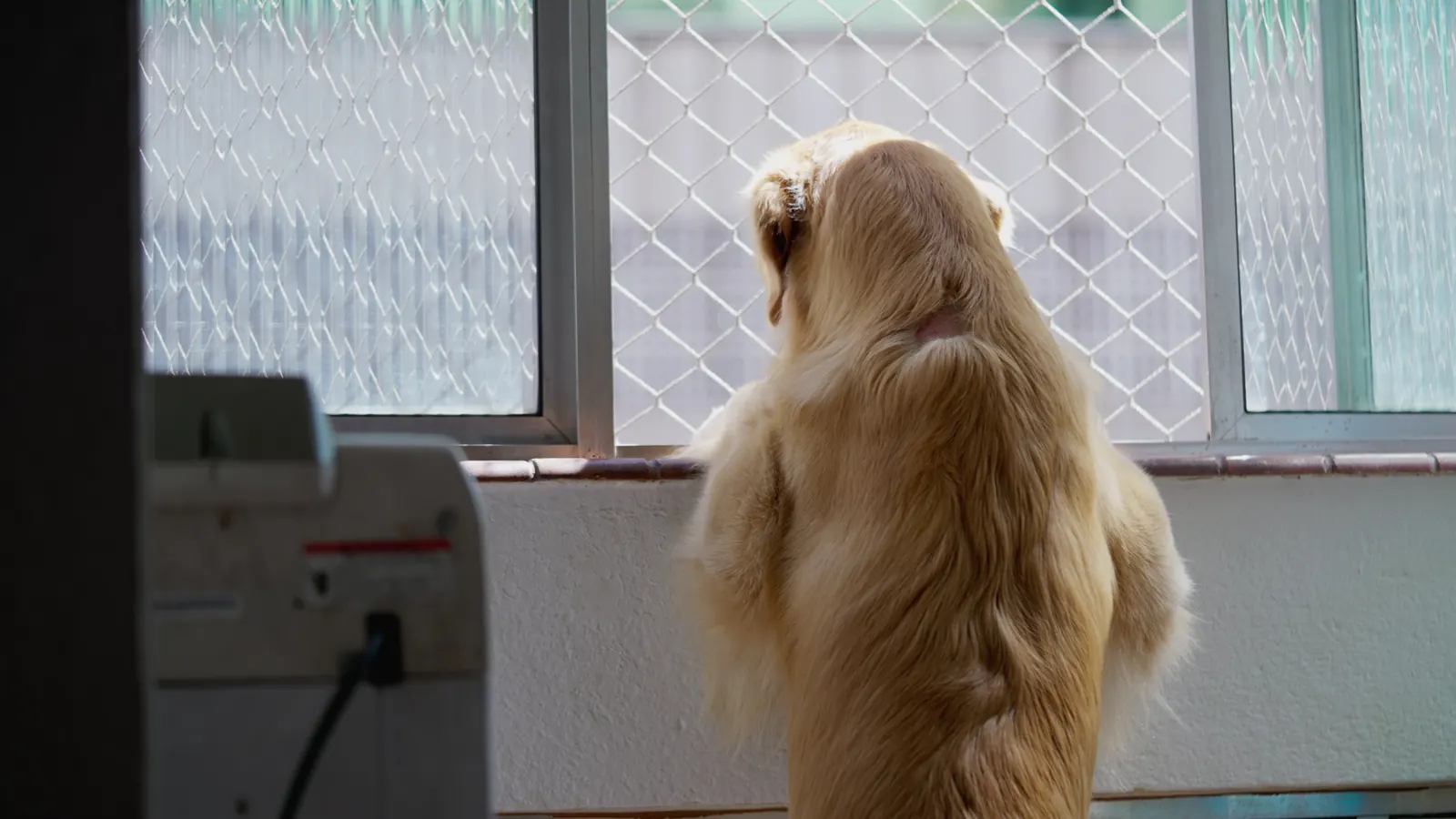
The bowl is still by the back door. You haven’t moved it. You still listen for the click of nails on the kitchen floor when you come home, and the silence hits you in the chest every single time.
Someone at work said, kindly, “At least it was just a dog.” You smiled. Then you went to the bathroom and couldn’t breathe for a minute.
Here’s what we want you to hear first. It wasn’t just a dog. Or just a cat. It was the one who was there every morning. The one you never had to perform for. The one who didn’t care if you’d been crying or hadn’t showered. You lost that. Of course it hurts this much.
And you’re allowed to grieve it fully, even if nobody sends flowers.
Why does pet loss grief hurt this much?
Because the love was simple. No arguments, no history to sort out, no mixed feelings. Just a warm body next to yours, a face that was glad to see you, every single day.
When that goes, there’s nothing to soften the fall. The grief comes straight in.
It also comes in a hundred small moments, because an animal is woven into the day. The walk at seven. The bag of food in the cupboard. The spot on the bed. Every one of those moments is a small wave, and every wave lands in your body: a tight throat, a heavy chest, a sudden empty feeling in the stomach.
Grief after losing a dog: the small moments that undo you
You might hold it together all week, and then fall apart in the supermarket because you walked past the treats aisle.
That isn’t strange. That’s grief finding its way out through the gap it can find. The big moments are guarded. The small ones catch you off guard, and that’s when the feeling slips through.
When it happens, you don’t have to hold it together. If you can, step somewhere quiet, a stairwell, an empty office, the car. Close your eyes. Find where it presses. Let it press, without changing anything, for a minute or two. Then go on with your day.
Tears are welcome. “Tears are one of the ways a feeling moves through the body.” They aren’t you falling apart. They’re the grief moving.
If the heaviness sits mostly in your chest, our piece on a heavy feeling in the chest stays with exactly that.
Guilt after pet death: the trial in your head
This is the part that can keep you awake.
“I should have noticed sooner.” “I should have taken her to the vet that first day.” “Did I choose the right time?” “Was she scared at the end?” Round and round, every night.
We wrote this about loss, and it’s true here too: grief becomes heaviest “not because of the love underneath, but because of what the mind lays on top: the trial, the replays, the ‘I should have.’”
The love is clean. The trial is what makes it unbearable.
You don’t need to win that trial. You can’t. There’s no new evidence coming. “Punishing yourself has never once made anything right.”
What you can do is notice when the trial starts, and go somewhere else. Not to a better thought. To your body. Guilt in the body is “usually a pressure in the chest, a heaviness, a hot face.” Feel that. Leave the courtroom. When guilt knocks again, you can say through the door, kindly: “Not today.”
If guilt follows you far beyond this loss, why do I feel guilty all the time is written for you.
Is it normal to feel relief, or nothing at all?
Yes. Maybe you nursed your animal for months. Relief can arrive next to the grief, and then guilt arrives about the relief.
All of it is allowed, the relief included.
You might feel strangely blank for days, then cry over something tiny a week later. That’s allowed too. Grief doesn’t follow a list. Nobody can tell you how long it lasts, and we won’t try.
Practice5 min
Let the chest hurt fully
- Lie down. Floor or bed.
- Cover your eyes. Let the outside go dark.
- Arms by your sides, palms down. Nothing to grab.
- Close your mouth. Leave the breath alone.
- Five minutes of letting the chest hurt fully.
- The effort you spend on not feeling, spend on feeling.
- Stop whenever you need to.
If you’ve been holding it together all day, at work, with the kids, with the neighbor who asks, this is the place to stop holding. Lie down where your pet used to lie, if you can bear it. Let the ache in the chest be exactly as big as it is. If it gets too much, stop. Stopping is not failing, and you can come back to it another day.
What you might notice: the ache may grow, then soften, maybe with a lot of tears. It’s also fine if you feel nothing the first time.
And if under the grief there’s a question you can’t put down, why this hurts more than you expected, what this loss is touching in your life, that’s the kind of question our project, The Birth Letter, answers with a free personal letter.
The first weeks without them
- Leave the bowl, the collar, the bed where they are until you want to move them. There’s no deadline.
- Tell one person how big this is. Pick someone who has loved an animal. Say, “I’m not okay about this.”
- At the moment of the old routine, the walk, the feeding time, stop for one minute. Feel where it presses. Change nothing.
- When the “I should have” starts in bed, say “Not today,” and go to your chest instead of the story.
- If nights are the hardest, you might like our piece on how to stop feeling lonely at night.
If your head has been foggy since the loss, grief brain fog is about that. The other losses we write about, a parent, a pregnancy, a home, are gathered under life events, and the practice above is part of the Feeling Session.
Tonight the quiet will be there when you come home. You can sit down in it, in the warm place on the sofa where someone used to sleep, and let it hurt as much as it hurts.