How to Deal With Regret When You Can't Stop Going Back
The same scene replays every night. How to deal with regret by feeling what it carries now, grief, fear or anger, so the mind can stop going back.


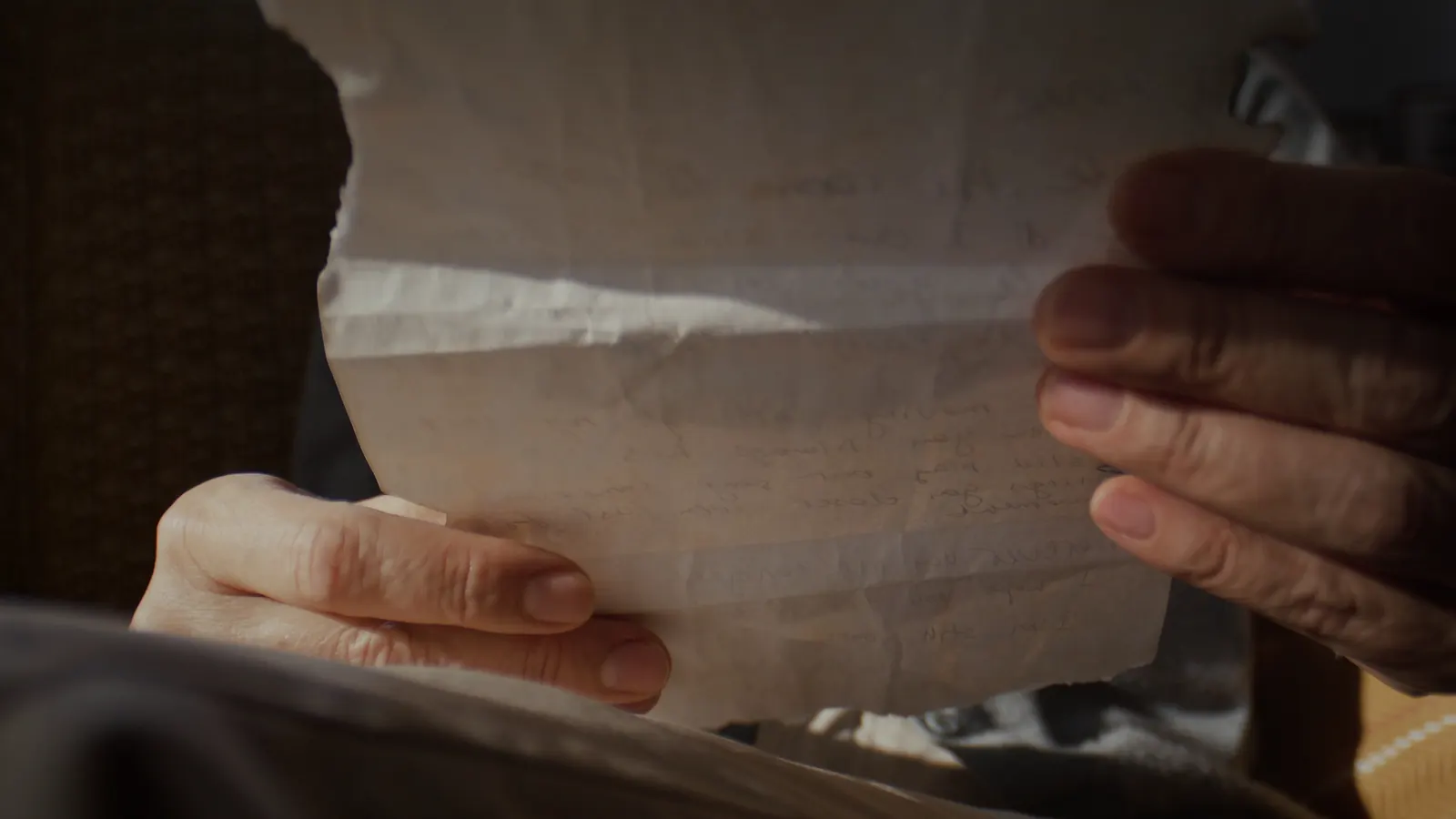
It comes back at the oddest times. Brushing your teeth. Waiting at a red light. Lying in the dark at one in the morning. The same scene, the same words, the same moment when you could have chosen differently and didn’t.
The job you turned down. The thing you said to your mother the last time you saw her. The years you stayed. The child you were too tired for.
And with it comes the sentence: if only. If only I had known. If only I’d been braver. If only I had one more chance.
You’ve gone over it so many times that you know every second. You’d think by now it would have worn smooth. Instead it still cuts.
You may believe the replaying is how you work through regret. It may be the other way round. The replaying is how you avoid feeling it.
How to deal with regret: stop going back for the answer
Every time the scene plays, the mind is looking for something. A different ending. An explanation. Someone to blame, or proof that it really was all your fault. It goes back again and again because it believes the answer is in there.
The answer isn’t in there. The past doesn’t change, however many times you visit.
What is here, right now, is a feeling. Regret lives in the past, but the feeling it brings lives in your body today. A pressure under the breastbone. A sick drop in the stomach. A tight throat that won’t let a word out.
Our book says: “a feeling in the body does not need to be understood.” You’ve been trying to understand this regret for years. It may never have been asked to be understood. It may only have been asking to be felt.
Why can’t I let go of regret?
Because it may not be just regret. Underneath it, there may be something else that never got its turn.
Maybe it’s grief. For the person you lost, the life you didn’t live, the version of you that might have been. Grief that was never cried still sits in the body. Sometimes it’s fear: that you’ll make the same mistake again. Sometimes it’s anger, at yourself or at whoever didn’t stop you.
The mind covers all of that with one tidy word, regret, and keeps replaying the scene so you don’t have to feel what’s under it.
There’s also the punishment. You may believe that if you stop feeling bad about it, you’re letting yourself off the hook. As if suffering were a way of paying. Our book has a short answer to that: “Punishing yourself has never once made anything right.”
That might be the sentence to sit with tonight. All those years of going back haven’t repaired anything. They’ve only kept you there.
Living with regret you can’t undo
Some regrets can still be acted on. A phone call. An apology. A letter. If yours is like that, and it would be good for the other person, it’s worth doing. But not from the middle of the wave. As we write: “First the feeling, then the decision. Answers come from calm, never from the middle of a wave.”
Other regrets can’t be undone, because the person is gone, or the years are spent, or the chance closed a long time ago. Living with that kind of regret isn’t about finding peace with what happened through some clever new way of thinking. It’s about letting the grief inside it finish moving through you.
Nobody can give you a timeline for that. “Grief takes the time it takes.”
And the weight of the past can change. About guilt, our book says this: “Rytis says he still feels a little fear in his life, but no guilt at all.” That isn’t a promise or a schedule for you. It’s only a sign that what feels permanent tonight may not stay this heavy forever.
A practice for when the scene starts replaying
The moment you catch yourself back in it, the red light, the bathroom mirror, the dark bedroom, try this. If the regret sits in your chest or stomach as you read, that’s where you’ll be going.
Practice10 min
When the blaming thought comes
- To the thought that eats you alive, say one word: “Enough.” Or: “I give it back.”
- Then go to the body, not to the story. Where do you feel it right now?
- Lie down or sit, close your eyes, palms down. Leave the breath alone.
- Give yourself five, ten, twenty minutes with the feeling, not with the thought.
- When the scene starts playing again, come back to the place in the body. No blame. Just come back.
- Stop whenever you need to. You can always come back tomorrow.
What you might notice. Sometimes the feeling grows before it shifts. It may move from the chest to the throat, or turn warm, then cool. Tears may come. Some feel nothing particular at first. All of it is fine. Feel it the way you’d listen to a friend, “not the way you would wait for a bus.”
We can’t give you the other ending, and our book, The Feeling Session, doesn’t pretend to. It shows you, step by step, how to lie down with what the scene brings up, the grief, the fear, the anger, instead of sitting through it one more time.
Regret or guilt? Knowing the difference
They often travel together, but they’re not the same. Regret looks back at a choice and wishes it had gone another way. Guilt says you are bad for having made it.
If what you feel is mostly I shouldn’t have, it’s probably regret, and there’s grief under it. If it’s mostly I’m a terrible person, guilt may be doing the talking. We wrote about that separately: why do I feel guilty all the time.
And if your regret is wrapped around someone else’s part in it, the person who pushed you, left you or let you down, how to let go of resentment may be the next thing to read.
Small things to do with an old regret
- Catch the first frame. When the scene starts, notice the very first image. Then leave it, and go to your body.
- Say one sentence. Quietly, to yourself: I allow myself to make mistakes. Notice what happens in your chest.
- Find what’s under it. Ask once: is this grief, fear or anger? Don’t analyse the answer. Just feel the one that fits.
- Write the apology, don’t send it. If there’s someone you’d say sorry to, write it down tonight. Decide tomorrow, from calm.
- Let yourself grieve the other life. The one you didn’t live. It’s allowed to be sad that it never happened.
If the replaying wakes you in the small hours, read waking up at 3am with anxiety. Regret rarely comes alone, and our emotions section has pages on the grief, fear and anger that so often sit underneath it.
The scene may still visit you. Picture it like an old film playing in a room down the hall. You can hear it. But you don’t have to keep walking in, sitting down, and watching the ending again.