Why Do I Feel Stuck? What It Means and How to Move Again
Why do I feel stuck? It may be the moment before a change, when the next step comes with a feeling you'd rather not have. A gentle way to move again.


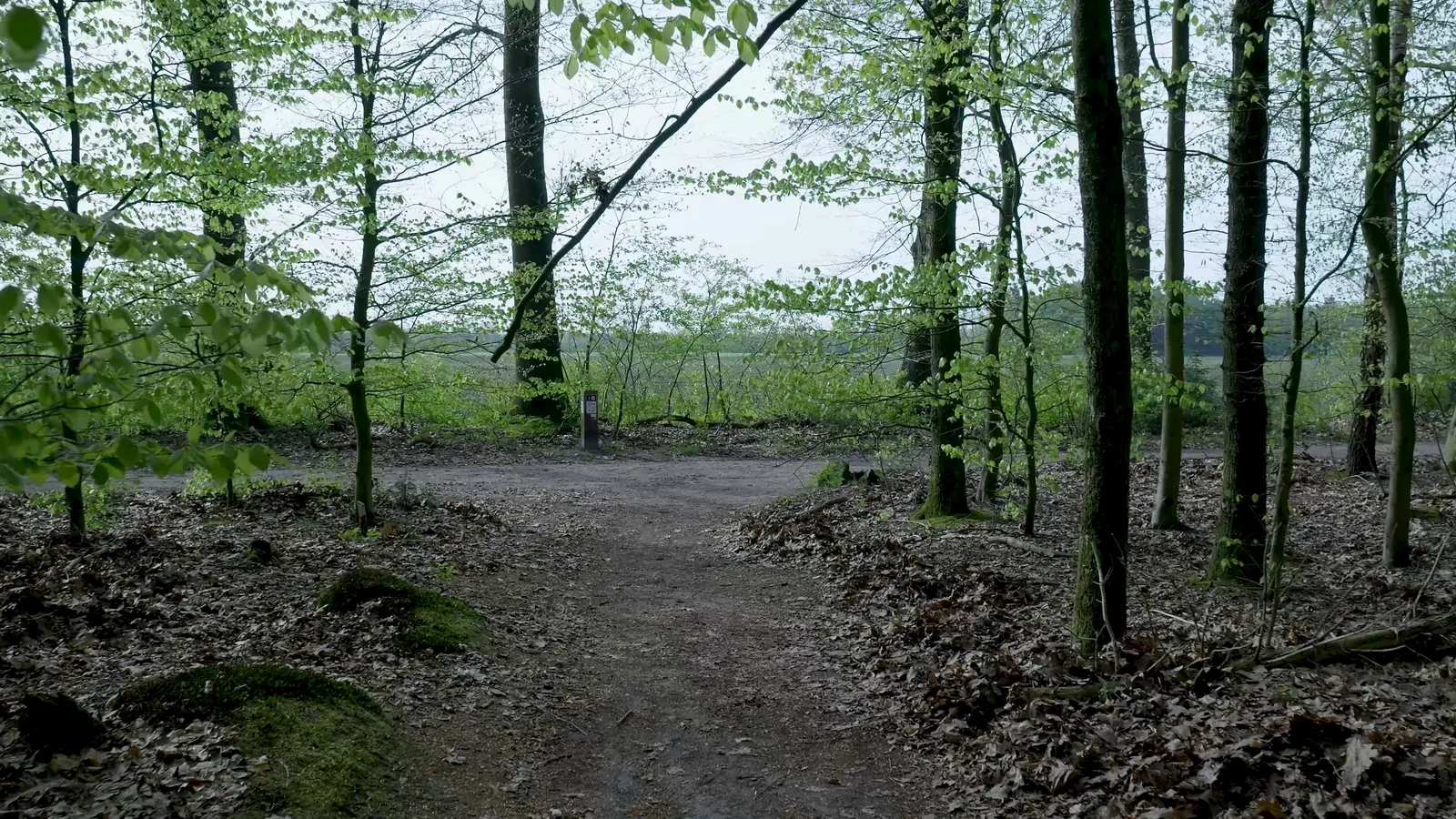
You know what you don’t want anymore. You’ve known for a while. The job. The town. The way things are with him. The version of you who gets up and does the same day again.
What you don’t know is what comes next. So you stand there. Months go by. You read, you think, you make lists in your head at night, you talk it through with friends who have heard it all before. And nothing moves.
Consider this, gently. You may not be stuck because you lack a plan. You may be stuck because the next step comes with a feeling, and some part of you has decided it’s safer to stay here than to feel it.
That isn’t weakness, and it isn’t laziness. “This is not your fault. Nobody ever showed you another way.”
Why do I feel stuck?
Our book has a sentence for this: “Most people are waiting to know the whole road before they take a step. They want the plan, the guarantee, the five-year view. They want the fear to be gone first.” Life doesn’t work that way, and it never did.
We use a picture for it, the old stair. “Your job is to step off the old stair. Then there is a moment when you have lifted your foot from the old one and haven’t yet put it down on the new one. You can’t see the next step yet. That gap is the most frightening place a person can feel. It is also where every real change happens.”
Stuck can be what it feels like to stand on the old stair, knowing it’s finished, and refuse the gap. Not because something is wrong with you. Because the gap is a feeling. Fear, maybe. Or grief for what you’d be leaving. Sometimes guilt about who you’d let down.
The mind is clever about this. It won’t say “you’re afraid.” It says “it’s not the right time,” “you need more information,” “be sensible.” It sounds responsible. It feels safe. And as we write about that loud voice, “when you obey it, you feel a little more suffocated, a little more tired, a little smaller.” That small, tired feeling may be what you’ve been calling stuck.
Feeling stuck emotionally, even when you understand it all
Maybe you’ve done the work. You’ve read the books. You know where your patterns come from. You could walk a stranger through your childhood over one coffee. And still, nothing shifts.
We wrote about exactly this: “so many people who have read every book still feel stuck. The mind can say, ‘I have forgiven, I have let go, I have understood it all,’ while the body is still carrying every bit of it. Understanding happens in the head. Letting go happens in the body.”
So stuck won’t give way to more thinking, because it isn’t a thinking problem. It’s a body still holding something. The feelings you never let yourself feel are still waiting, “in your chest, in your throat, in your belly, in the jaw you clench when you sleep.”
Notice how stuck feels in you. Heavy legs on the stairs in the morning. A flatness behind the breastbone. A tiredness that sleep doesn’t reach. A small “no” in the stomach every Sunday evening. These aren’t signs you’re failing. They may be the places where the next step is waiting to be felt.
If stuck has gone further and turned into a kind of grey nothing, read why do I feel empty inside. If it’s mostly fear of what’s ahead, we wrote about fear of the future too.
How to get unstuck emotionally
Not by pushing harder. Pushing is the loud voice again: hurry, decide now, you’ll lose everything. In our experience, “the heart’s voice has time.”
When a possible step makes you scared and, at the same time, a little more alive, that fear is not always a no. We put it this way in the book: “When you feel aliveness and fear at the same time, you are often standing right in front of your guidance.”
And the step can be small. This doesn’t mean blowing up your life tomorrow. “Guidance rarely comes as a big plan. It comes as small impulses in ordinary moments.” Go outside. Call that friend. Don’t answer that message yet. Say the true thing. “When you start following the small ones, the big ones get clearer.”
Rytis says it simply: “Your job isn’t to know where you have to go. Your job is to leave what you already feel you need to leave.”
But before any step, there is the feeling you have been standing in front of. That’s where we start.
A practice for when you feel stuck
If you’re reading this with that flat, heavy, going-nowhere feeling in your body right now, don’t make a plan yet. Don’t make a list. Do this first. It’s the Feeling Session on one page, from the end of our book, and its last line matters here: no decisions until the wave has passed.
Practice5 min
A five-minute Feeling Session
- Lie down. Floor or bed. Twenty minutes, or five.
- Cover your eyes. Let the outside go dark.
- Arms by your sides, palms down. Nothing to grab.
- Close your mouth. Leave the breath alone.
- Don’t move. Not even a little.
- Find the heaviest place in your body right now.
- Put all of your attention there, and keep it there.
- Don’t follow the thoughts. When you notice one, come back to the body.
- Don’t run. Stay one more minute than you want to.
- Stop whenever you need to. No decisions until the wave has passed.
What you might notice. Something you’ve kept down for a long time may get louder first. Tears may come with no reason you can name. Or not much happens the first time. You can keep going, or stop and try again another night. Either is fine.
We know stuck from the inside. Violeta remembers how it went with the house we live in now: “We rebelled so much against this house. I cried so much. I didn’t want to be in it. We kept running away from it, driving off, coming back.” And it became the place. Life often leads like that, through the very door you were pushing against.
The old stair comes from a chapter of our book, The Feeling Session, called “Following the quiet voice”. It’s about the small impulses, and about the gap between one stair and the next, and how to feel that gap in your body before you step into it.
Small steps off the old stair
- Decide nothing big tonight. As the book says: “First the feeling, then the decision. Answers come from calm, never from the middle of a wave.”
- Lie down for five minutes with the stuck feeling. Not to fix it. To meet it.
- Find one small impulse you’ve been ignoring. Call her. Walk the long way home. Say no to Thursday. Do just that one, tomorrow.
- Catch the “you need more information first.” When the mind says it, ask where you feel that sentence in your body, and go there instead of to the search bar.
- Tell one person the true version. Not the sensible one you’ve been telling everyone.
If the loop gets loudest after dark, this may help: how to stop overthinking at night. Other states we’ve written about are under states.
Stuck is a foot on the old stair, with the next one not yet visible. Tonight you don’t have to find it. Lie down with what’s under the stuck, and leave the step for another day.